
The first time you visit New York City, it feels like everyone is in a hurry. People weave effortlessly through crowds. Subway riders somehow know exactly where to stand before the train arrives. Someone sighs because you paused for three seconds at the top of the stairs. Even ordering a bagel can feel like a race against the clock.
At first, it seems like New Yorkers are simply impatient. Then something strange happens: stay here long enough, and you start doing the exact same things. You walk faster without realizing it. You become irritated by slow walkers. You instinctively choose the subway car closest to your exit. Crossing the street becomes a calculated decision instead of a leisurely stroll.
So what changed? It wasn’t your personality. It was New York.
Batmandir · The Circle Full access to theatres, museums & exhibitions. S2 · ongoing membership, without a Founder’s seat. Explore membership →New York’s pace isn’t just part of its culture—it’s built into its infrastructure. Long before cars filled the streets or subway trains rumbled beneath Manhattan, city planners were already designing a place built for efficiency.
In 1811, the Commissioners’ Plan introduced Manhattan’s famous grid system. Unlike the winding streets of older European cities, Manhattan’s streets became straight lines and predictable intersections. The goal wasn’t beauty—it was speed. Every block became a unit of measurement, every intersection another decision point. Navigation became almost automatic, allowing millions of people to move through one of the busiest cities on Earth with remarkable efficiency. The city wasn’t just organized. It was optimized.
Manhattan Is One Giant Algorithm
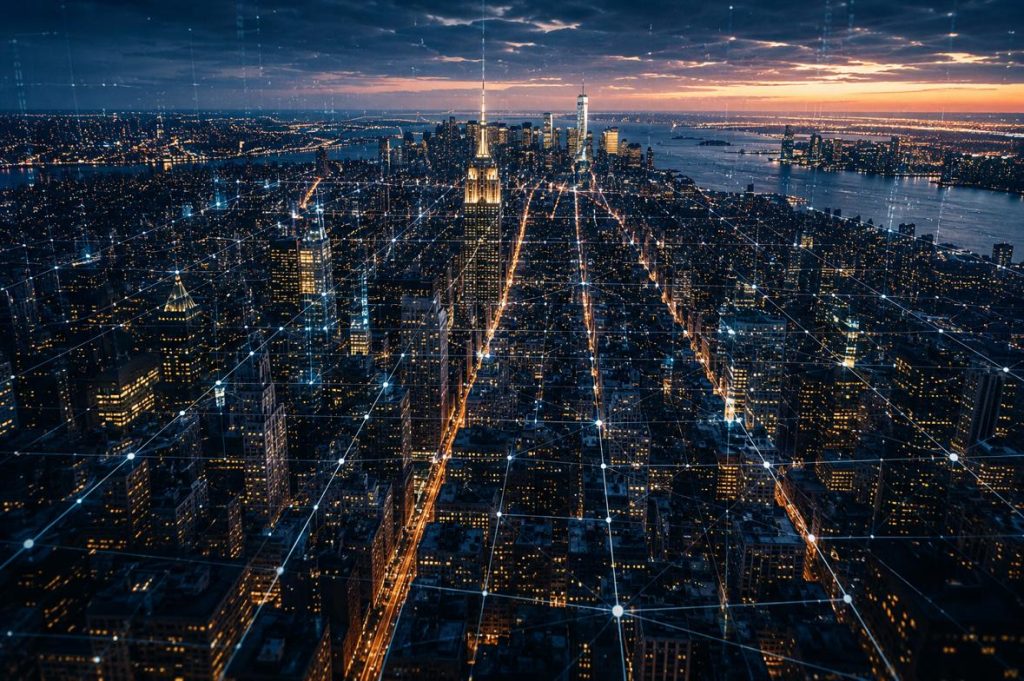
Spend enough time in New York and your brain starts recognizing patterns everywhere. You stop thinking about directions in the abstract and start thinking in shorthand: three blocks east, two avenues over, a ten-minute walk. The numbered streets transform navigation into simple mental math. Without realizing it, your brain starts solving tiny problems all day long, making movement faster and more automatic.
Thousands of Tiny Decisions Every Day
Living in New York means making rapid decisions almost constantly: Should I pass on the left? Can I make this light? Which coffee line is moving faster? Should I wait for this train or the next one? Can I squeeze through before the doors close? Each choice seems insignificant on its own, but together they create thousands of tiny mental exercises every day. Over time, those repeated decisions become automatic.
You Know You’re Becoming a New Yorker When…
One day, without quite realizing it, you find yourself silently judging people who stop in the middle of the sidewalk. You know exactly where to stand on the subway platform. You walk while eating breakfast. A five-minute delay suddenly feels long. You instinctively move to the right side of the escalator. You can spot tourists before they say a word. You start giving directions in blocks instead of miles. It isn’t arrogance. It’s adaptation.
Your Brain Is Constantly Rewiring
Scientists call this neuroplasticity—the brain’s remarkable ability to adapt to its environment. The more often we repeat certain behaviors, the more efficiently our brains perform them. Living in New York doesn’t simply teach you where to go. It teaches you how to think. Over time, the city’s rhythm becomes your rhythm.
Your Brain Starts Thinking Like the Subway
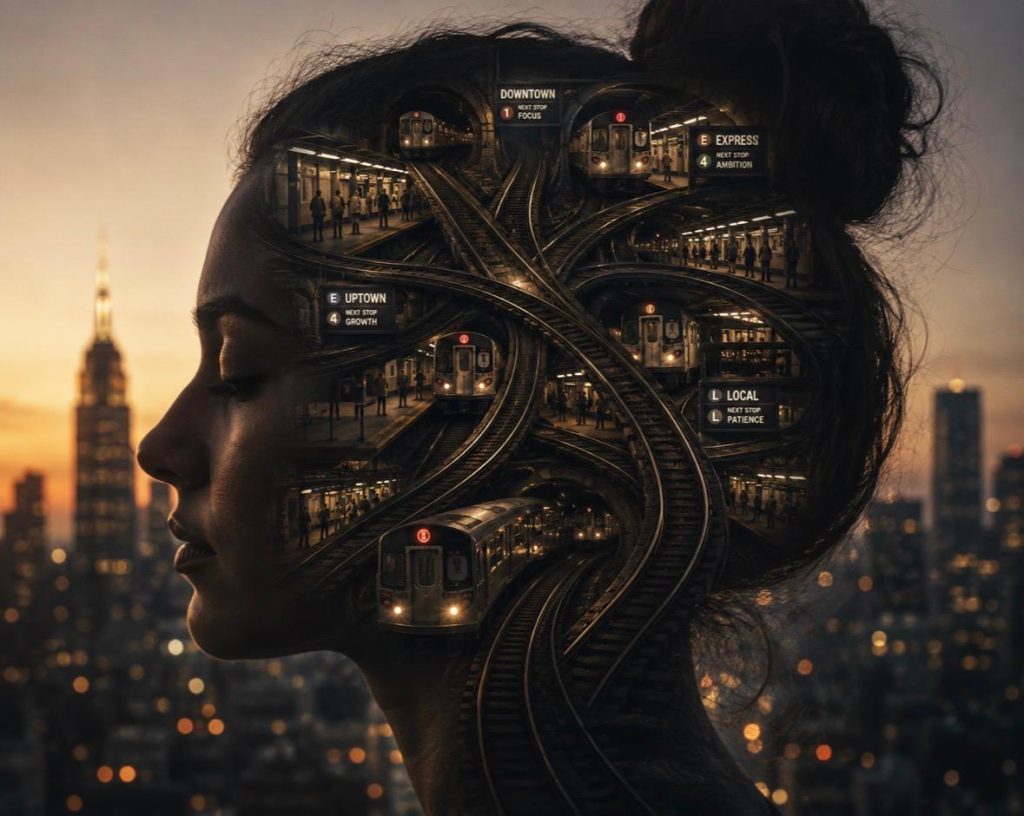
When New York’s subway opened in 1904, comfort wasn’t the priority—moving millions of people quickly was. More than a century later, riders still play by those same unwritten rules. Experienced commuters already know which subway car stops closest to their exit, which staircase will be less crowded, which transfer saves two minutes, and which side of the platform usually fills first. Visitors see chaos. New Yorkers see patterns—patterns their brains have learned through sheer repetition.
Why Leaving Feels So Strange
Many longtime New Yorkers notice something unexpected when they travel: suddenly, everyone walks slowly. The grocery line feels endless. Traffic lights seem to last forever. People stop in the middle of sidewalks. Nothing actually changed—except that your brain did. Once you’ve adapted to New York’s pace, slower places can feel almost surreal.
More Than Speed
For all its intensity, New York’s pace has a purpose. The same environment that teaches people to move faster also builds resilience, quick thinking, and an extraordinary ability to navigate complexity. It’s exhausting. It’s exciting. And for millions of people, it’s addictive.
The Bigger Picture
New York didn’t just build streets. It built habits. The city’s grid, its sidewalks, its subway system, and its extraordinary density quietly shape the way millions of people move through their day.
The next time someone rushes past you on a Manhattan sidewalk, remember: they probably aren’t late. They’re simply moving at the speed New York has taught them. Because New York doesn’t just change where you live—it quietly changes the way you move, think, and experience time itself.