
USA Times Data Desk
The USA Times Data Desk is the newsroom’s data and investigations unit. It collects prices, fees and public records directly from the source, verifies them item by item, and builds the charts and tables behind USA Times investigations. Every figure it publishes is traceable to a named, dated source.
-
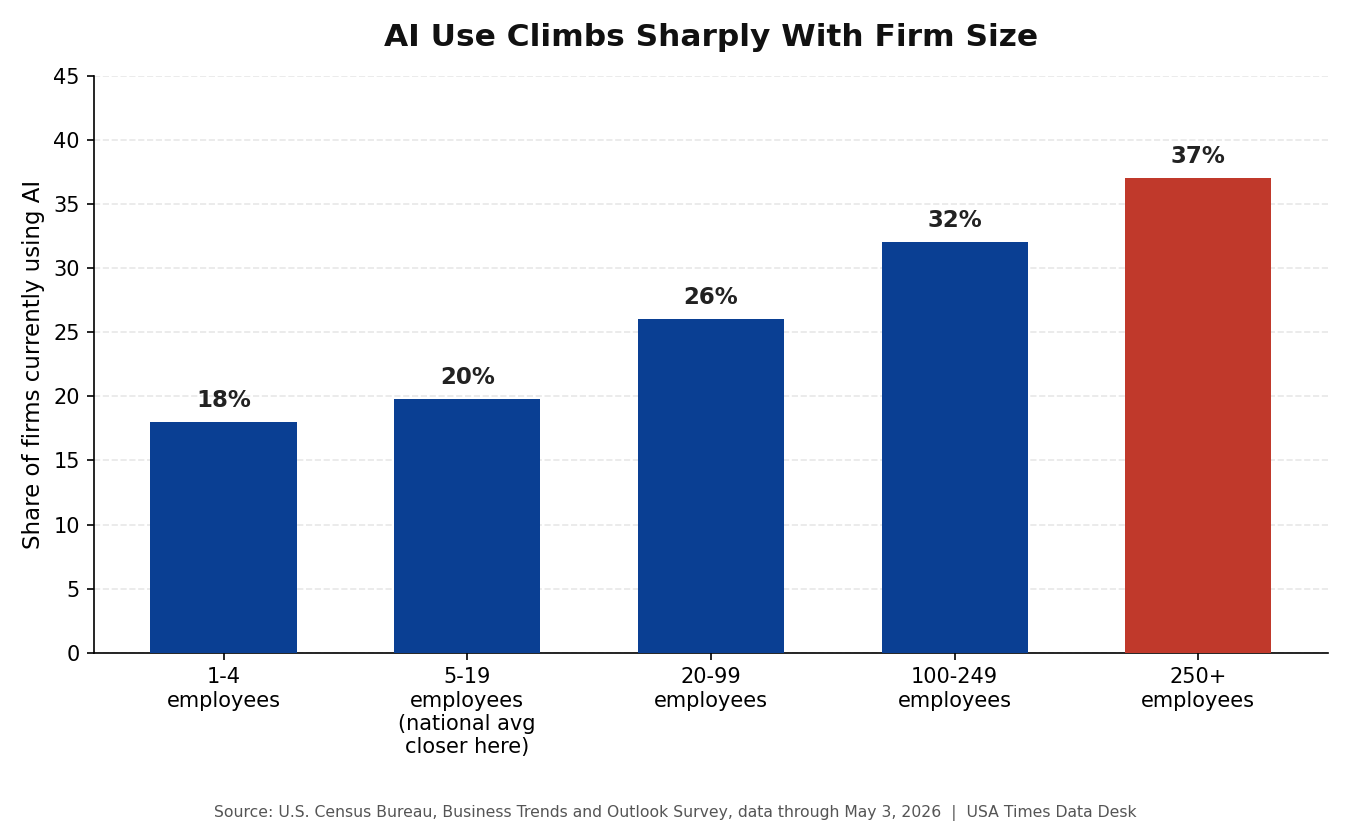
The Census Bureau Asks 1.2 Million Businesses If They Use AI Every Two Weeks. As of May, Only 1 in 5 Say Yes.
The Census Bureau’s biweekly business survey shows national AI adoption stuck between 17% and 20% for six straight months — with a huge gap by firm size (37% for large firms, under 20% for the smallest) and by sector (nearly 40% in Information, just 14% in Retail).
-
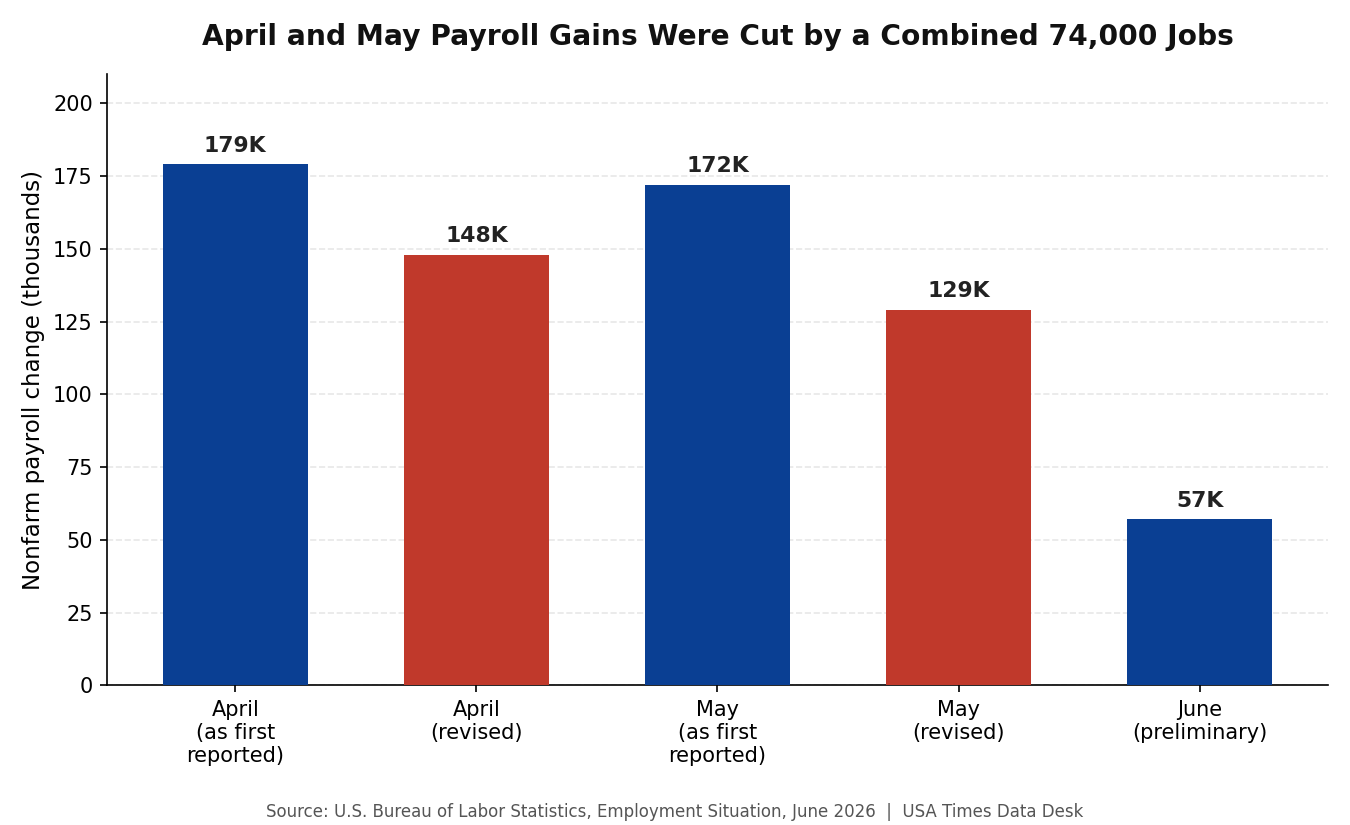
The June Jobs Report Said Hiring Barely Moved. The Real News Was That April and May Were Both Weaker Than First Reported.
June payrolls grew by 57,000 and unemployment held at 4.2% — but BLS also cut April and May’s job gains by a combined 74,000. We broke down the revisions, the industry split, and the demographic unemployment gap the headline number hides.
-
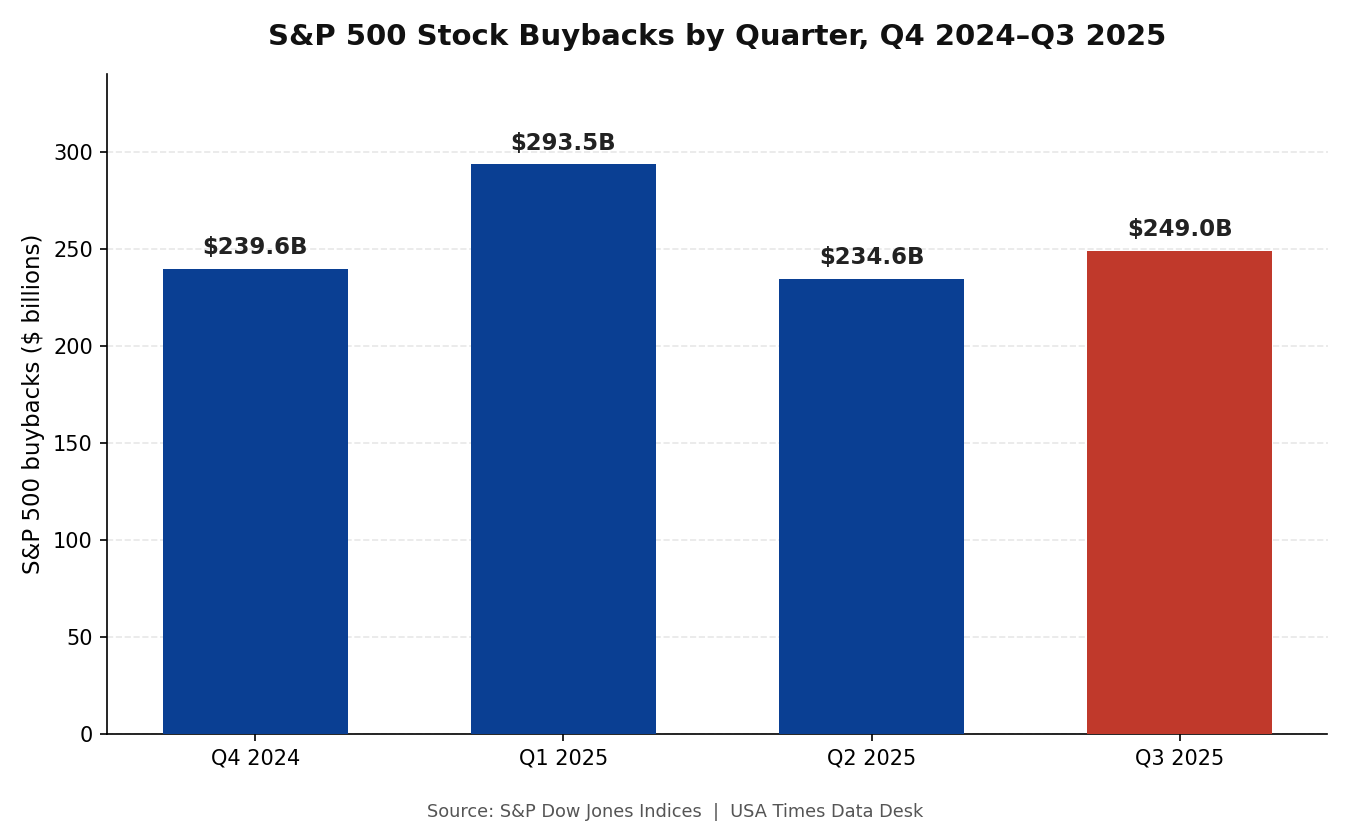
S&P 500 Companies Bought Back $1.02 Trillion of Their Own Stock in the Year Through September. That’s a Record.
S&P 500 companies bought back a record $1.02 trillion of their own stock in the year through September 2025 — only the second time the trailing 12-month total has topped $1 trillion. We broke down the quarterly swings, the sector shifts, and who did the buying.
-
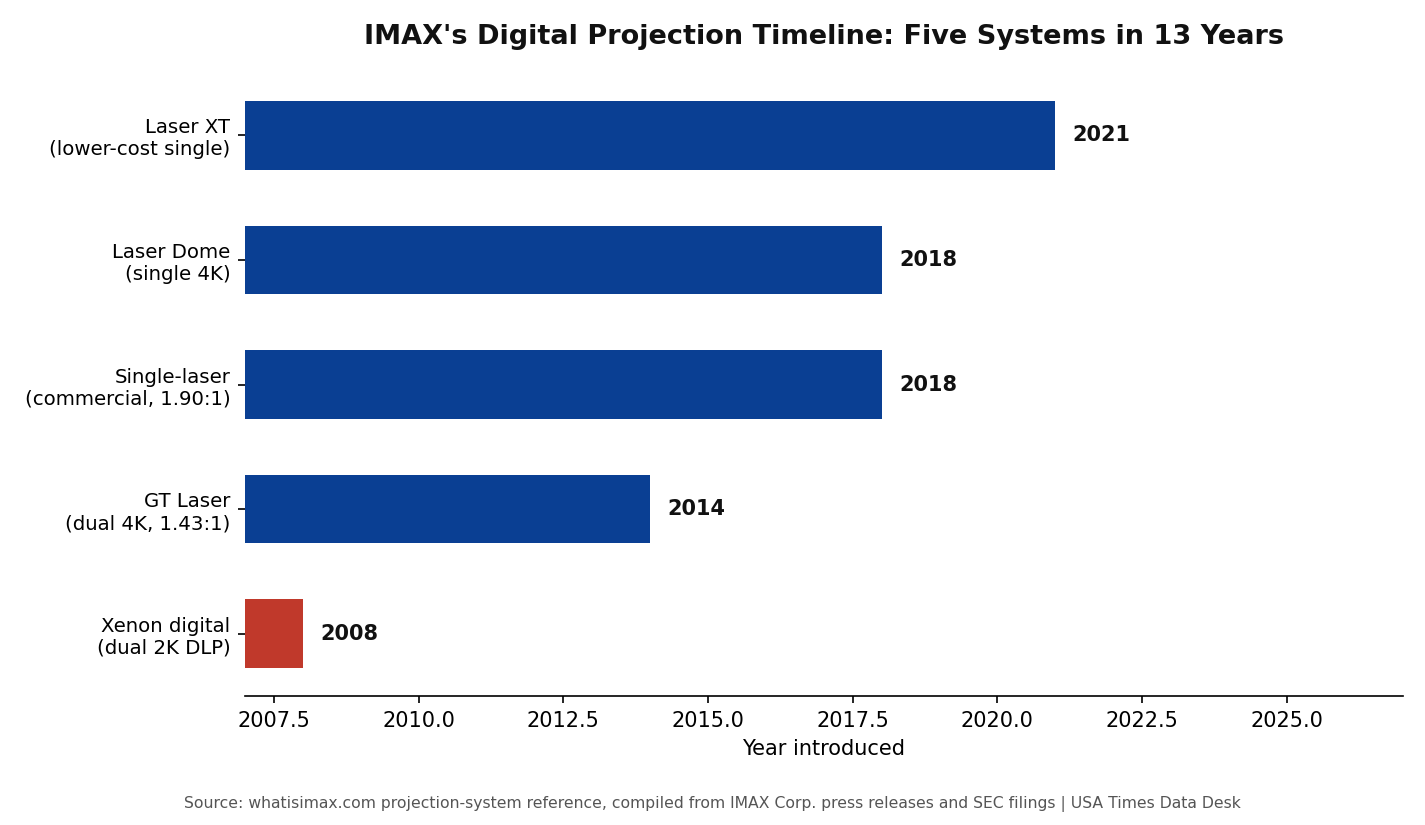
IMAX’s Flagship Screen Runs on Two Lasers, Not One. Here’s What “GT Laser” Actually Buys You.
GT Laser is IMAX’s flagship dual-projector system, the only digital configuration capable of the format’s full 1.43:1 frame. Here’s what actually separates it — technically and historically — from the 2008-era xenon system still running most of IMAX’s commercial network.
-
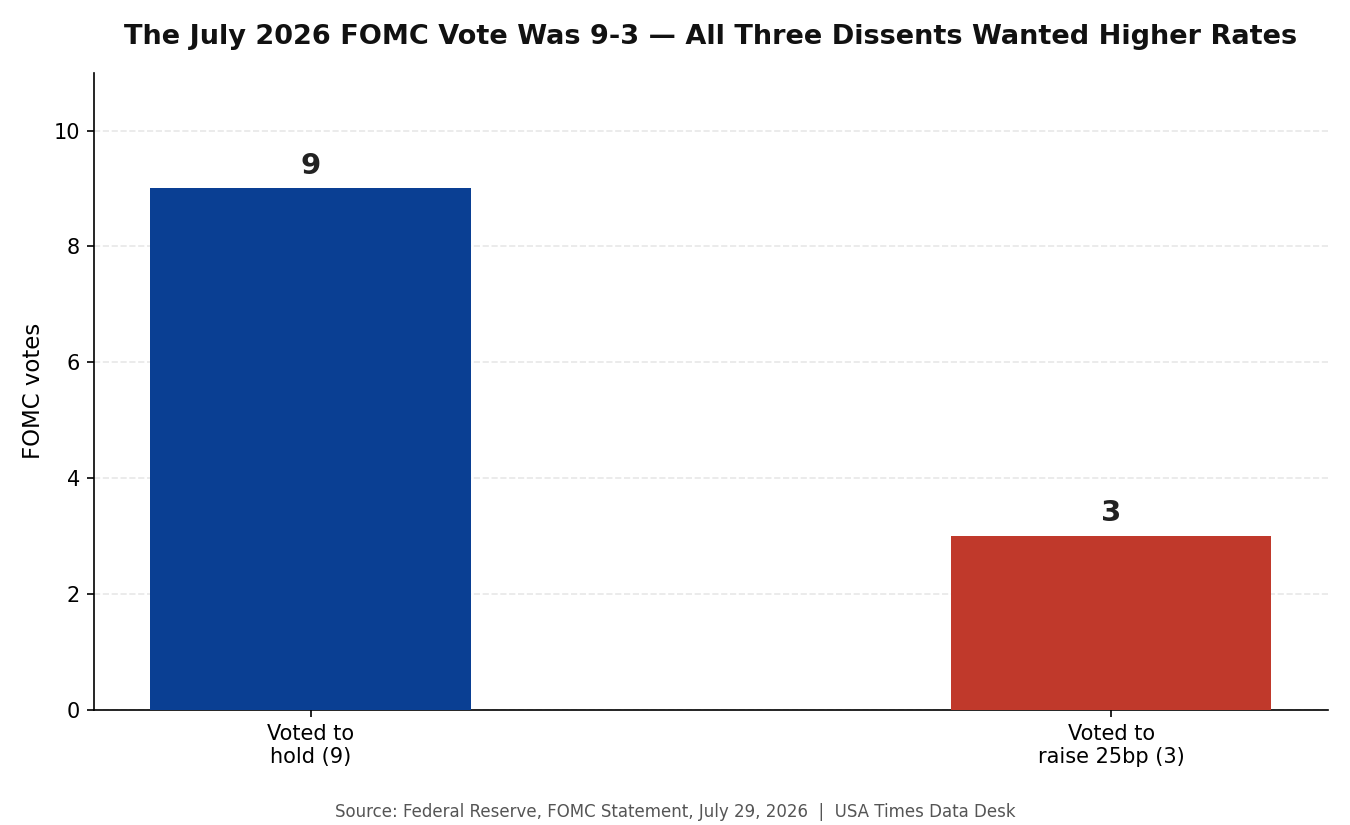
The Fed Held Rates Steady in July. All Three Dissenting Votes Wanted to Raise Them — Not Cut Them.
The Fed held rates at 3.50%-3.75% for a fifth straight meeting in July, on a 9-3 vote. All three dissents wanted to raise rates, not cut them — an unusual hawkish split that says a lot about where the inflation fight actually stands.
-
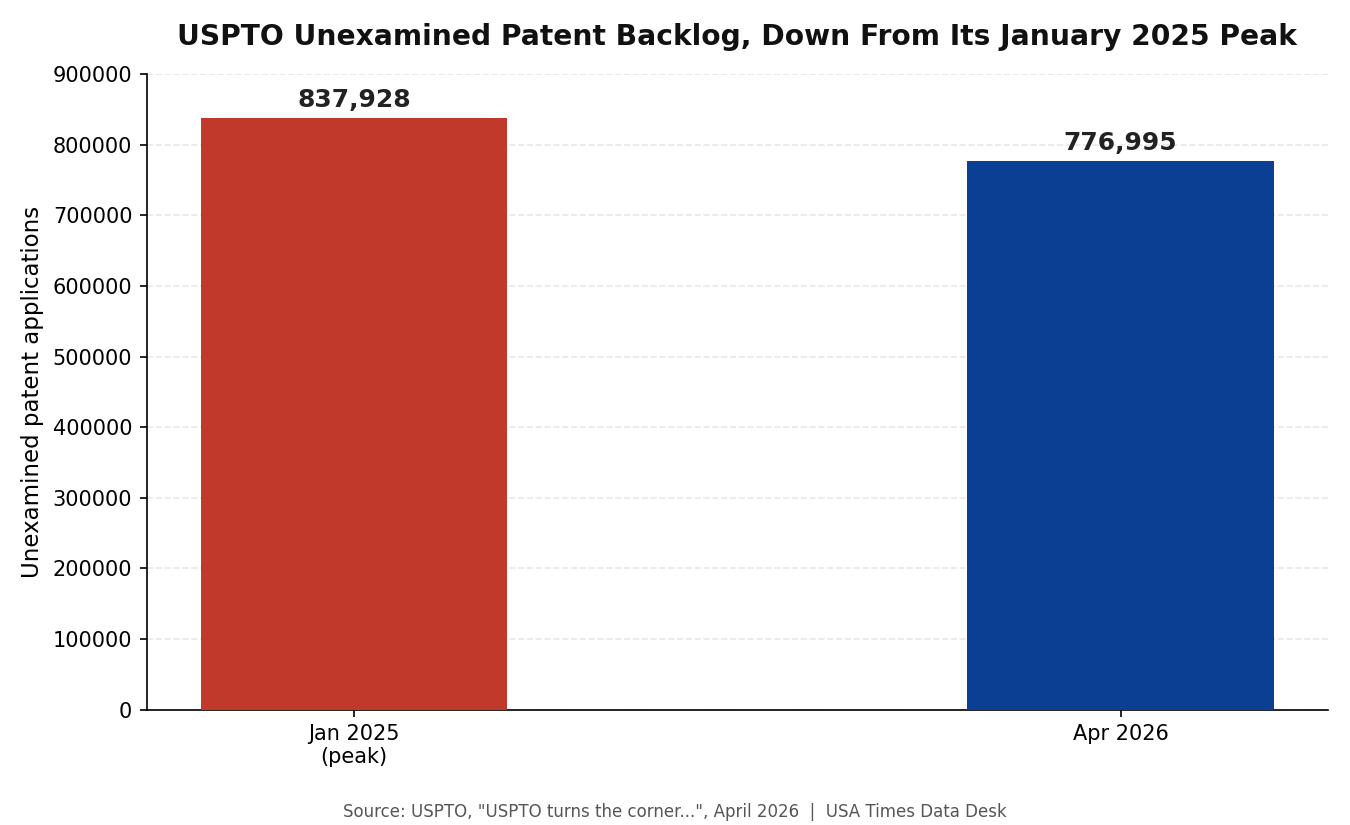
For the First Time in Nearly a Decade, the USPTO Is Examining Patents Faster Than They’re Coming In
For the first time in nearly a decade, the USPTO is examining patent applications faster than new ones are filed. The unexamined backlog fell to 776,995, down from a 2025 peak of 837,928 — and the agency’s own numbers put a real dollar value on the wait.
-
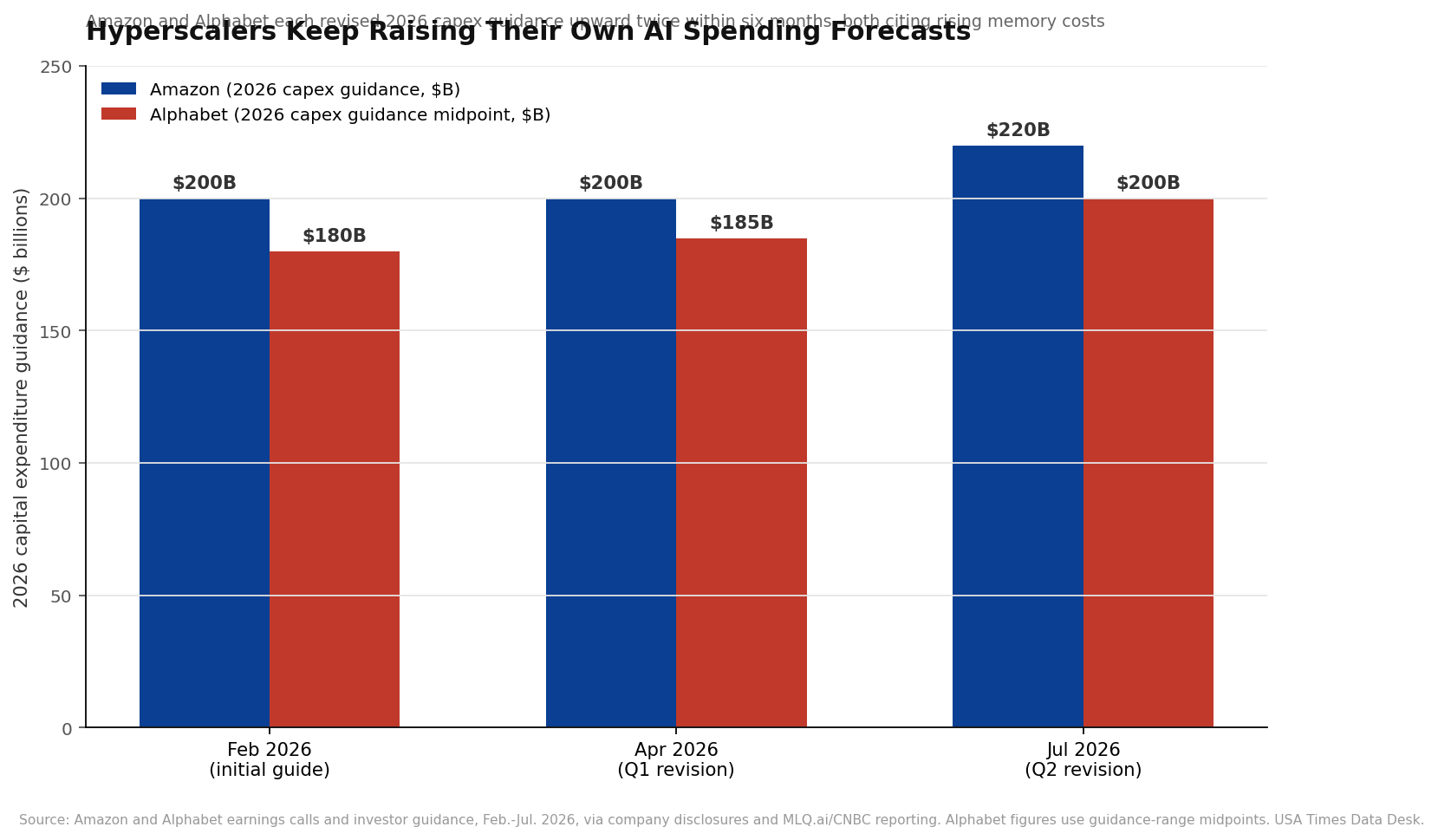
Amazon Raised Its 2026 AI Spending Plan to $220 Billion. It’s the Second Increase This Year, and the CEO Says It Still Won’t Be Enough.
Amazon raised its 2026 AI infrastructure spending plan to $220 billion in late July — its second increase this year — and the CEO says it still won’t meet demand. Alphabet raised its own guidance twice in the same window. We traced both companies’ numbers.
-
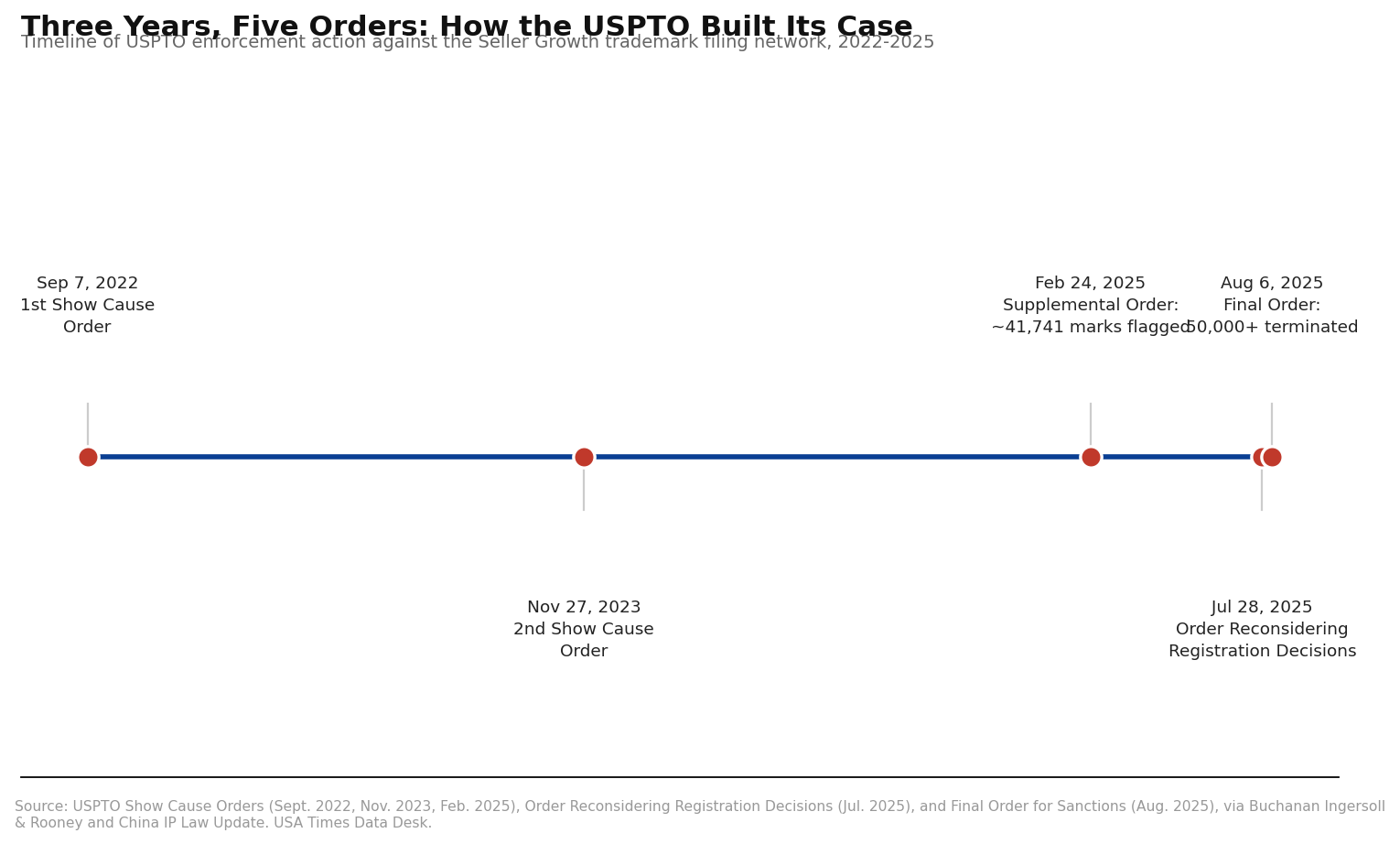
The USPTO Just Terminated More Than 50,000 Trademarks Tied to One Network. It Took Three Years and Five Orders to Get There.
The USPTO terminated more than 50,000 trademark applications and registrations tied to one China-based filing network in August 2025 — the end of a three-year, five-order case. We traced how the fraud allegedly worked and how the case’s scope grew over time.
-
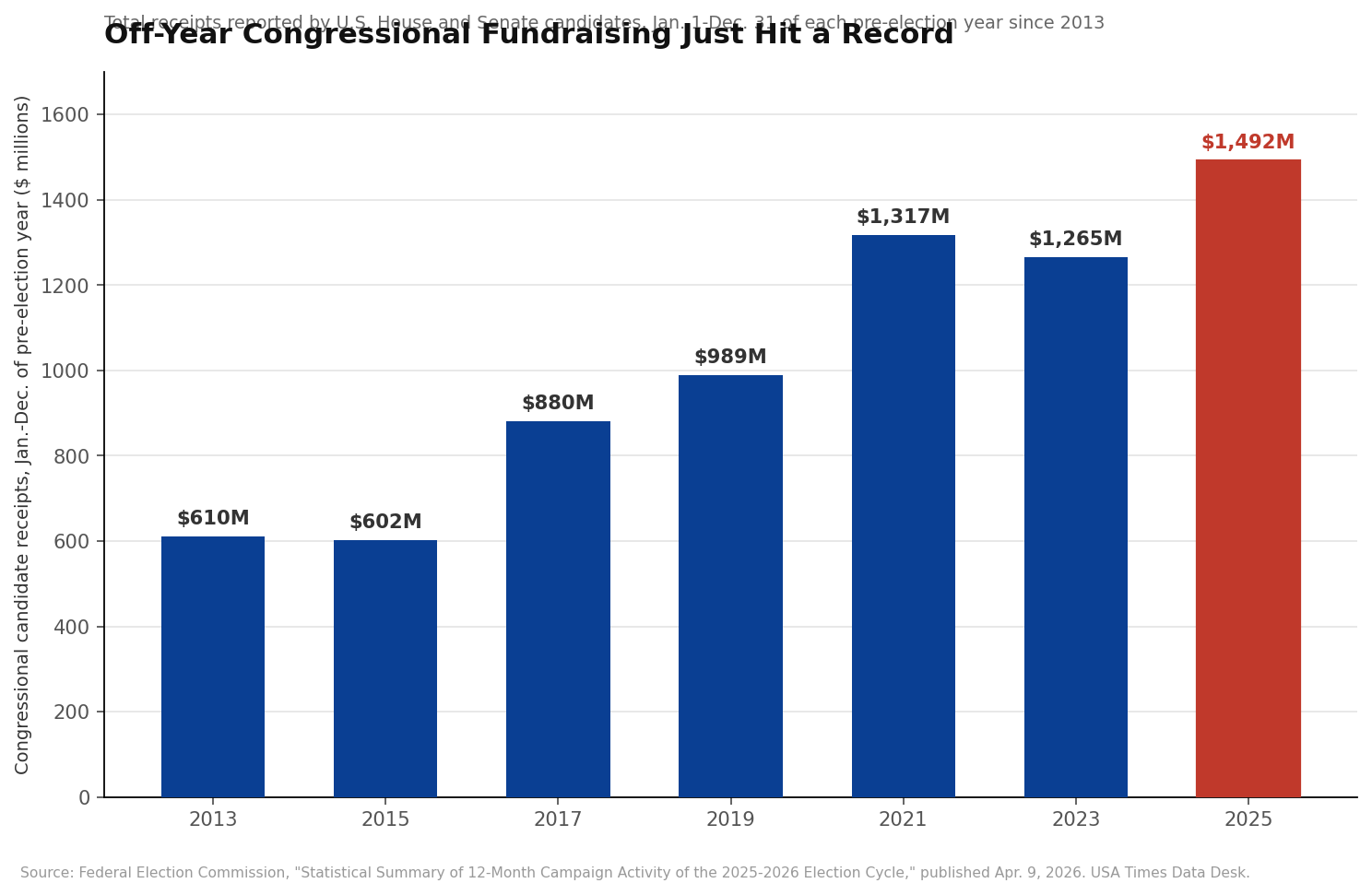
Congressional Candidates Raised $1.5 Billion Before the 2026 Midterms Even Started Voting. That’s a Record for an Off-Year.
Congressional candidates raised $1.49 billion in 2025 alone — a record for any pre-election year in FEC history. We broke down where the money came from: candidates, national parties, and $4.6 billion in PAC activity.
-
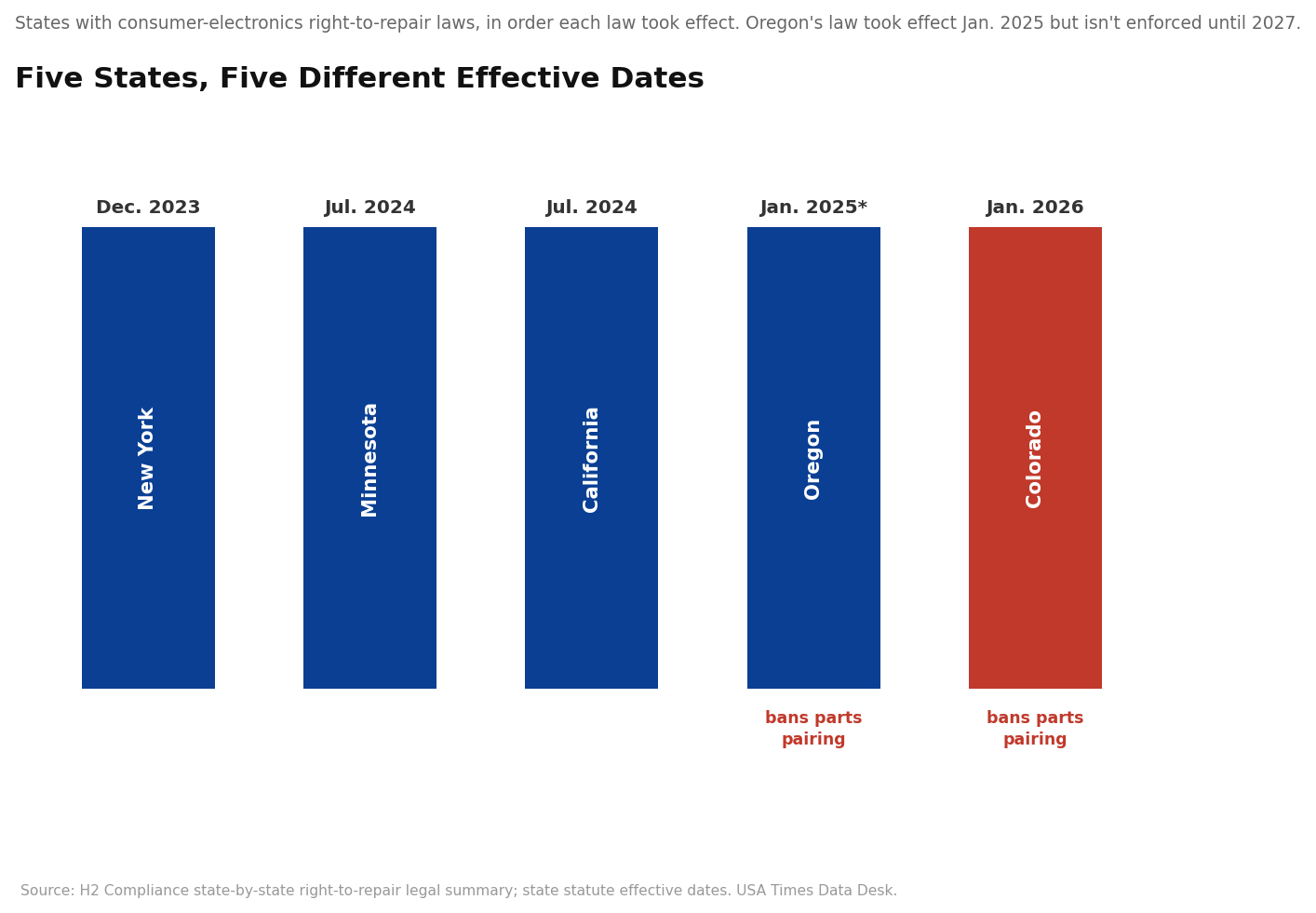
Colorado’s Right-to-Repair Law Took Effect This Year. It Bans a Practice Only One Other State Has Outlawed.
Colorado became the fifth state with a consumer-electronics right-to-repair law on January 1, 2026, and only the second to ban ‘parts pairing.’ We compared all five state laws — what they cover, what they exclude, and how differently they were written.